
Understanding the Allure of Casino Environments
The design of a casino is no accident; it’s meticulously crafted to entice and engage visitors. Bright lights, vibrant colors, and the thrill of sound create a unique atmosphere that stimulates the senses. These elements are strategically placed to encourage players to stay longer and gamble more, as many discover when they visit 1win , where the ambiance serves to create a sense of excitement, making it easy for individuals to lose track of time and their money, leading to an immersive experience that can keep players coming back.
Furthermore, the psychology of the environment plays a crucial role in player behavior. Casinos often employ elements that diminish a player’s perception of risk. For instance, the use of free drinks, comfortable seating, and attractive decor can create a false sense of safety and abundance. Players may feel relaxed and less cautious about their spending. This illusion of control can significantly impact decision-making, making players more likely to take unnecessary risks, thinking they could achieve a win at any moment.
Additionally, the social environment of a casino cannot be overlooked. The presence of other players and the interactions among them can enhance the experience. Playing games in a communal setting fosters camaraderie, making players feel like they are part of a larger community. This sense of belonging, combined with the excitement of shared wins or losses, can lead to longer gaming sessions and increased spending. The social dynamic is a powerful motivator, encouraging players to engage more deeply with the games.
The Psychology of Risk-Taking in Gambling
Risk-taking behavior is at the core of gambling psychology. Players are often driven by the potential for reward, which can lead to impulsive decisions. The excitement associated with taking risks is comparable to other thrill-seeking activities, and it can become addictive. Many individuals may not fully understand the odds behind their choices, leading them to believe that they can influence outcomes. This misconception can result in a cycle of chasing losses, where players continue to gamble in hopes of regaining lost money.
Moreover, various psychological theories can explain why players engage in such risky behavior. For instance, the concept of cognitive dissonance suggests that after a player has made a significant wager, they may rationalize their continued play, even as losses accumulate. They might convince themselves that a win is just around the corner, thus justifying their decisions. This cognitive distortion can trap players in a cycle of hope and despair, reinforcing their commitment to the gambling experience.

The sensation of winning, no matter how small, can also trigger the release of dopamine in the brain, which contributes to the excitement of gambling. This chemical response reinforces the behavior, making players more likely to return for another chance at a win. The intermittent rewards that gambling offers can create a powerful feedback loop, where players become conditioned to seek out these experiences repeatedly, often at the expense of their financial well-being.
The Role of Cognitive Biases in Gambling Decisions
Cognitive biases heavily influence how players perceive their chances of winning. One common bias is the gambler’s fallacy, which is the belief that past outcomes can affect future results. For example, if a player witnesses several losses in a row, they may incorrectly assume that a win is due. This misconception can lead to increased betting and further losses. Understanding these biases is crucial for recognizing how they can skew judgment and alter behavior in the casino environment.
Another relevant bias is the illusion of control, where players believe they can influence random outcomes based on past experiences or rituals. For instance, a player might think that their choice of machine or the timing of their bet can affect the result. This false sense of agency can lead to excessive gambling, as players may feel empowered to make choices that they believe will improve their likelihood of winning. Such thinking can obscure the reality of chance-based games and lead to harmful behavioral patterns.
Lastly, the framing of gambling outcomes can also significantly impact decisions. For instance, the way a game is introduced or presented can create a sense of potential success. Marketers frequently highlight winners and testimonials, which can skew perceptions and encourage participation. This selective sharing of information can create unrealistic expectations and fuel the desire to play, often overshadowing the inherent risks involved in gambling.
Emotional Triggers and Their Impact on Gambling Behavior
Emotions play a pivotal role in shaping gambling behavior. Many individuals turn to casinos as a form of escapism, using gambling to alleviate stress or sadness. This emotional connection can lead to compulsive gambling, as players seek the thrill and excitement to distract themselves from negative feelings. Understanding the interplay between emotions and gambling is essential for addressing problematic behaviors and promoting healthier coping strategies.
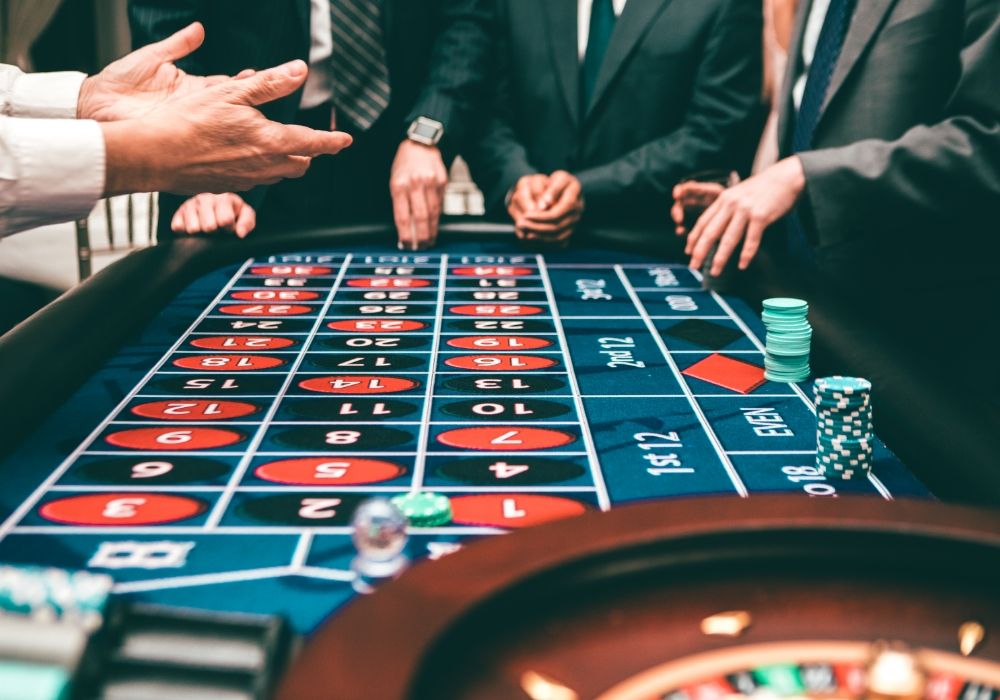
Additionally, the highs and lows of gambling can create a rollercoaster of emotions that players find hard to resist. Winning can evoke feelings of elation and euphoria, while losing may lead to frustration and despair. These intense emotional experiences can reinforce gambling behavior, as players seek to replicate the high of a win while trying to avoid the pain of loss. This emotional dependency can lead to cycles of overindulgence and regret, complicating the relationship between players and their gambling habits.
Moreover, casinos often utilize emotional triggers in their marketing strategies. Promotions, loyalty programs, and unique game experiences are designed to evoke excitement and attachment. By appealing to a player’s emotions, casinos can enhance their engagement and create lasting relationships, often resulting in repeated visits. Recognizing these emotional triggers is an essential component for understanding player behavior and the psychological underpinnings of gambling.
Promoting Responsible Gambling Awareness
In light of the complex interplay between psychology and gambling, promoting responsible gambling practices is paramount. Educational initiatives that inform players about the inherent risks associated with gambling are crucial. Such programs should aim to clarify the odds of different games and the psychological traps that may lead to irresponsible behavior. By fostering a better understanding of the realities of gambling, players can make more informed decisions and develop healthier habits.
Additionally, creating environments that encourage responsible gambling can significantly impact player behavior. Casino operators can implement measures such as time and spending limits, self-exclusion programs, and access to support resources. By prioritizing player welfare, casinos can help mitigate the potential negative consequences of gambling while still providing an enjoyable experience for those who choose to play responsibly.
Finally, continued research into the psychological aspects of gambling is essential for developing effective interventions and support systems. By understanding the motivations and behaviors of players, researchers and industry stakeholders can devise strategies that promote sustainable gambling practices. This collaborative effort can lead to a more informed and responsible gambling landscape, benefiting both players and operators alike.