
Signing in from a phone should be straightforward, but a smooth casino session depends on more than entering an email and password. Mobile users also need to understand browser access, shared account balances, password recovery, verification prompts and support options. The betninja casino information page can provide a starting point for reviewing the platform, while the practical details below explain how to approach mobile account access carefully and avoid common problems. Availability of currencies, games, payments and account features can vary according to location and account settings.
How mobile access is structured
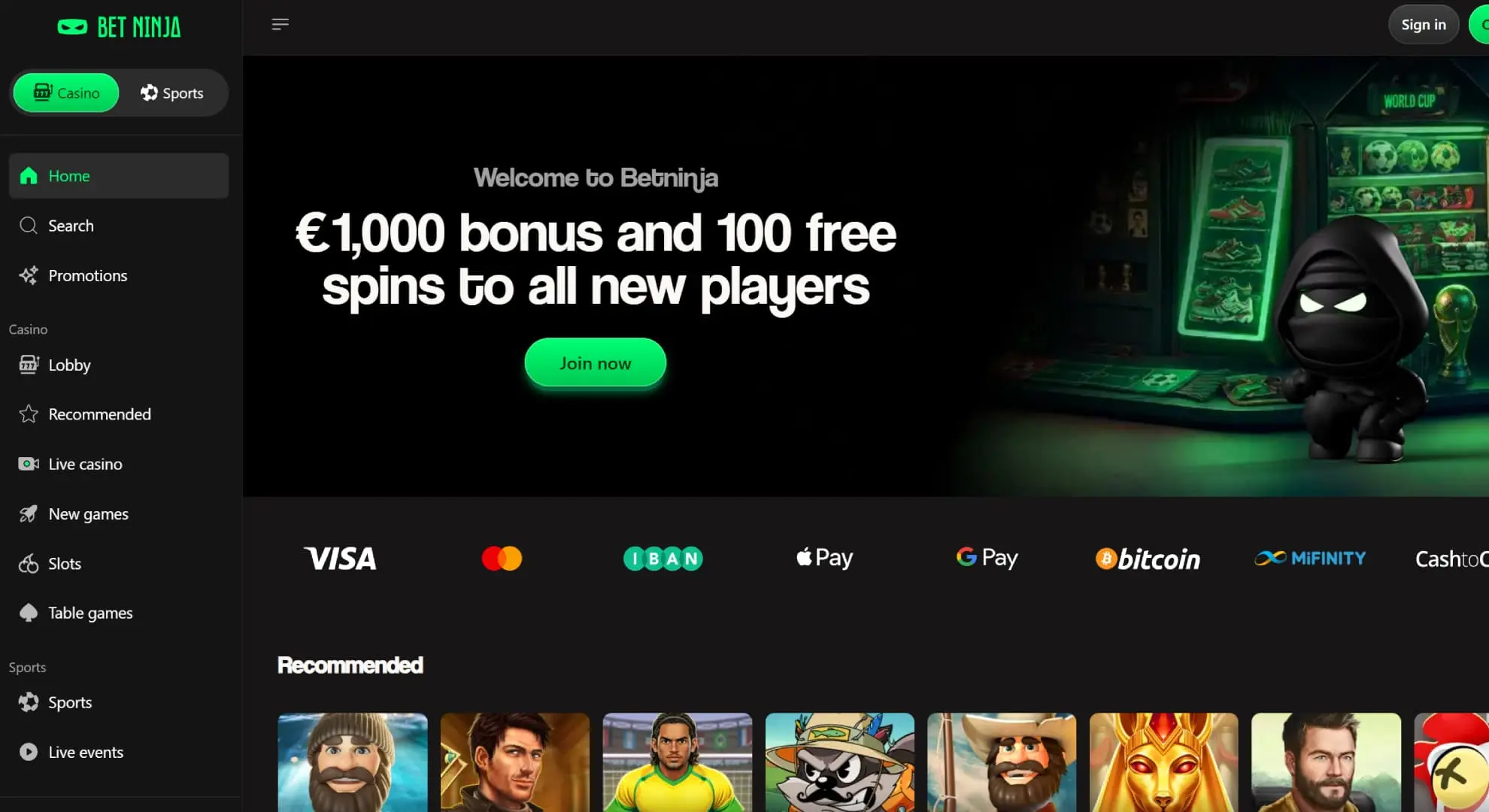
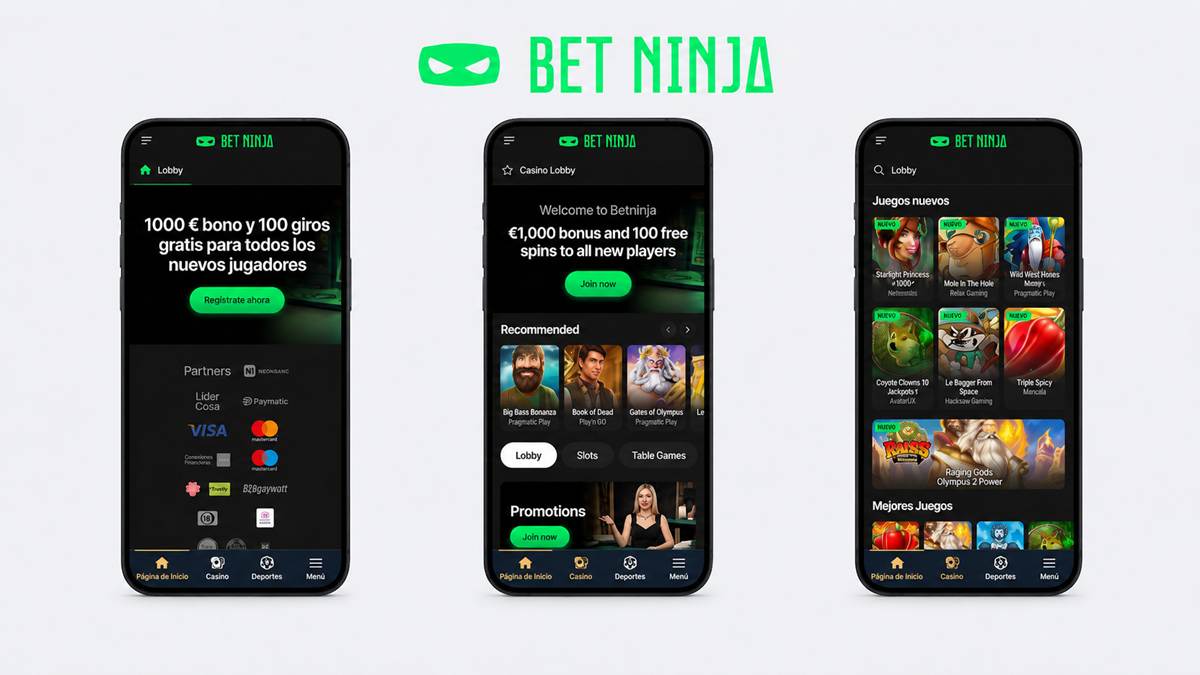
Betninja is described as using a responsive website rather than a dedicated native app for Canadian users. That means access takes place through a browser on an iPhone, iPad or Android device. The mobile interface is designed to bring the casino lobby, live games, sportsbook, cashier, account settings and support into one screen without requiring a separate download.
The same account is used for casino and sportsbook access, so users do not need separate credentials for each section. Balances and account information are shared across the platform, although casino funds, bonus balances and other transaction details may be displayed separately. This arrangement can be convenient, but it also means that account security affects every service connected to the profile.
Before signing in, check that the browser is current and that the connection is private and reliable. Avoid entering credentials on a shared device where passwords may be saved automatically. A mobile browser can remember login details, but convenience should be weighed against the risk of another person opening the account. Logging out is especially sensible on borrowed or family devices.
Signing in without unnecessary account risks
Returning users sign in with the credentials connected to their registered account. Enter the email address and password carefully, checking for accidental spaces, incorrect capitalisation or a browser autofill error. If the device offers to save the password, use that option only when the phone is protected by a strong passcode or biometric lock.
Mobile screens can make it difficult to notice whether a login field contains the correct information. If several attempts fail, avoid repeatedly guessing. Multiple unsuccessful attempts may create additional access problems, and an old password stored in the browser can be easy to overlook. Typing the credentials manually once can help identify whether autofill is responsible.
After signing in, review the profile and cashier only through the authenticated account area. Do not share passwords through messages or provide them to anyone claiming to offer technical help. Support may need account information to investigate a problem, but credentials should remain private. If a suspicious message asks for a password or payment details, close it and use the platform’s recognised support route instead.
Password recovery and locked accounts
When a password is forgotten, the recovery option on the login page sends reset instructions to the registered email address. This makes access to that mailbox important. Check the spam or junk folder if the message does not appear promptly, and confirm that the email address entered matches the one associated with the account.
Use a new password that is not reused on banking, email or social-media accounts. A long, unique passphrase is generally easier to remember and safer than a short variation of an old password. After changing it, update any password manager or browser record so the device does not continue submitting outdated credentials.
Locked, inaccessible or verification-related accounts should be taken to live chat or email support. Contacting support from the registered email address can make account ownership easier to establish, although further checks may still be required. Unusual activity or payment-related reviews can trigger additional identity verification, so users should follow the operator’s stated requirements rather than sending documents through an unverified channel.
Verification prompts after mobile login
Registration information is expected to match later verification documents. The account may request personal details such as a full legal name, date of birth, residential address and mobile number, while the legal gambling age depends on the player’s province. A login may therefore succeed while a withdrawal or account function remains subject to verification.
Commonly described checks can involve government-issued identification, proof of address and, in some cases, a selfie or additional identity check. The exact documents and review process are not universal, so users should rely on the requirements shown by the operator. Do not alter or obscure documents unless the stated instructions specifically require it.
Verification is particularly relevant when using a phone because photographs or uploads may be taken from a mobile device. Use clear, readable files and confirm that they are submitted inside the recognised account or support process. Reviews often describe accepted documents being checked within about 24 hours, but extra checks can extend the process. A withdrawal request may remain on hold until required verification is complete.
Mobile account controls and support
The mobile account area is intended to cover more than games. Profile details, communication preferences, payment information and verification status may be available there, while sensitive changes can require support or another identity check. Review these sections carefully after logging in, particularly if a phone has been replaced or an email address is no longer accessible.
Support is commonly described as available through live chat around the clock, with email also listed in Canadian-facing material. Assistance can cover login problems, payments, verification, bonus questions, account closure and responsible-gambling requests. A consistent phone-support channel is not listed, so users should not assume that telephone help is available.
Mobile access also makes account controls easier to reach when spending decisions need attention. Deposit limits and self-exclusion are described as options that may be activated through support rather than entirely through an automated dashboard. A deposit limit can block further deposits after the selected threshold, while self-exclusion disables access for the chosen or stated period. Set limits before play becomes difficult to manage, and seek help when needed.
FAQ
Is there a dedicated Betninja app for Canadian users?
Canadian-facing material describes browser-based access on iOS and Android rather than a dedicated native app. The responsive website provides the casino, sportsbook, cashier, account settings and support. Use a current mobile browser, and check the operator’s current information before downloading anything that claims to be an official app.
What should I do if my mobile login stops working?
Check the email address, password, internet connection and browser autofill first. Use the password-recovery option if necessary, rather than repeatedly guessing. If the account remains inaccessible or prompts for verification, contact support through a recognised channel, preferably from the registered email address.
Can I use the same account on desktop and mobile?
Yes, the available information describes one account for desktop and mobile use, with the same account and balance across devices. Sign out on shared hardware, keep credentials private and remember that account, payment and verification issues affect access regardless of which device was used.